Introduction
Pakistan is home to one of the world’s largest refugee populations. In 2024, Akademos partnered up with the School of Leadership Foundation (SoLF) and UNFPA to explore new strategies for meeting the critical needs of refugees and their host communities. The School of Leadership Foundation (SoLF), a leading Pakistani organization, focuses on human capital development, while UNFPA is a global leader in reproductive health, rights, and population development.
Project Objectives
The global refugee crisis is a complex humanitarian challenge, with Pakistan bearing a disproportionate burden. The influx of over 3.1 million Afghan refugees has exacerbated socioeconomic challenges, particularly in Khyber Pakhtunkhwa, Punjab, Balochistan, and Islamabad. Refugees often lack basic amenities and are disproportionately vulnerable to Gender-Based Violence (GBV) and Sexual Reproductive Health (SRH) issues. Despite receiving assistance from various organizations, funding remains inadequate, leaving gaps in critical support areas for these vulnerable groups.
To address the challenges refugees and host communities face, the School of Leadership Foundation (SoLF), in partnership with the United Nations Population Fund (UNFPA), is developing a digital platform. SoLF conducted a comprehensive feasibility study with Akademos to assess the potential of this digital innovation lab. The lab, envisioned as a digital platform, would provide tools, skills training, and support services, including those related to gender-based violence and sexual reproductive health.
This project aimed to determine refugees’ interest in digital learning and entrepreneurship and recognize the struggles they come across in Pakistan, including restricted access to financial services and commercial prospects. The project’s goal was to guide the creation of an innovation lab that might successfully assist refugees in creating sustainable livelihoods by recognizing unique needs and possible drawbacks such as lack of bank accounts or legal status.
Methodology
Akademos conducted in-depth research to identify needs, develop a detailed project plan, and prepare a solid lab development foundation.
- Desk Research & Methodology:
- Tool Development and Data Collection Instruments:
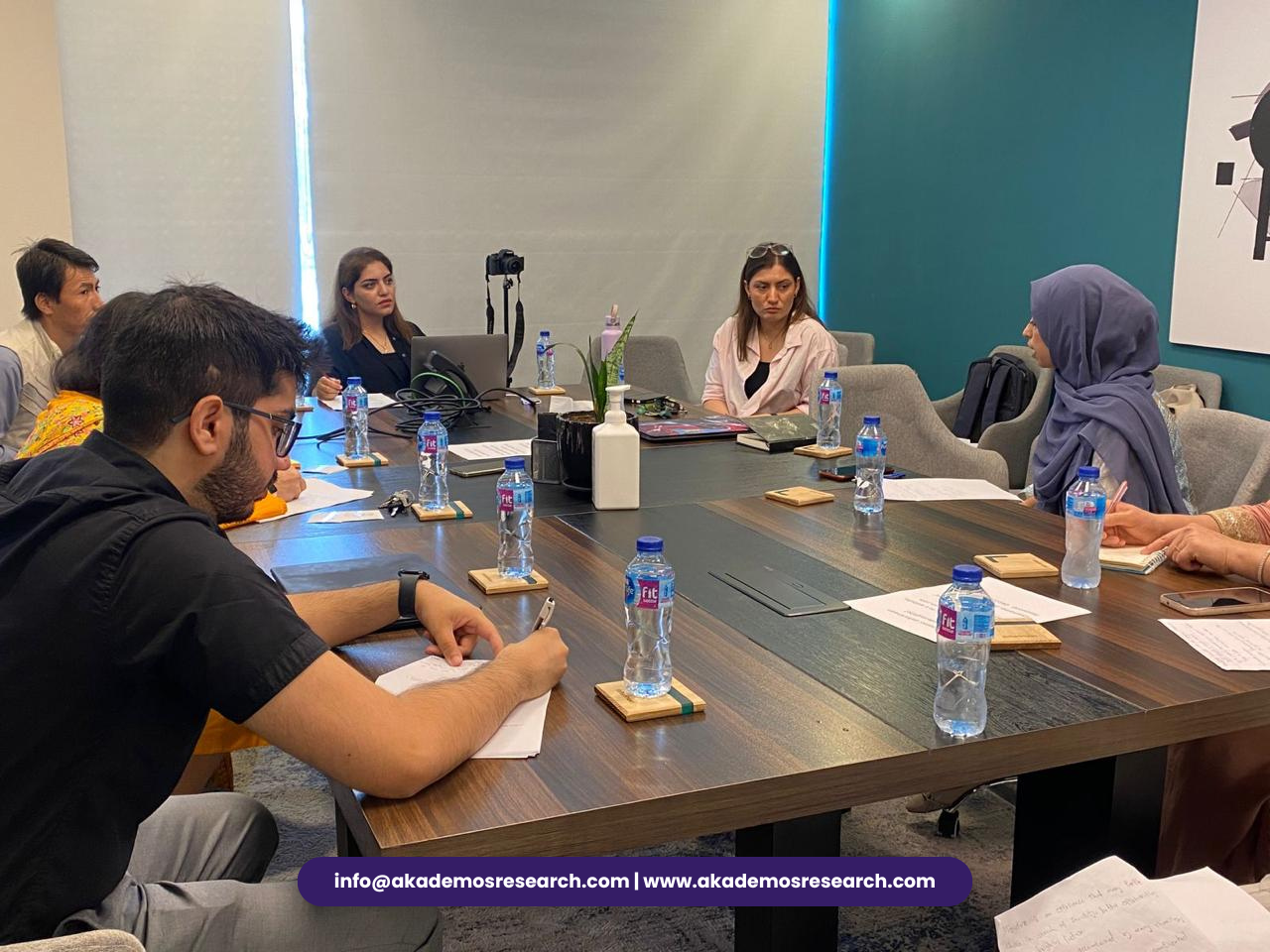
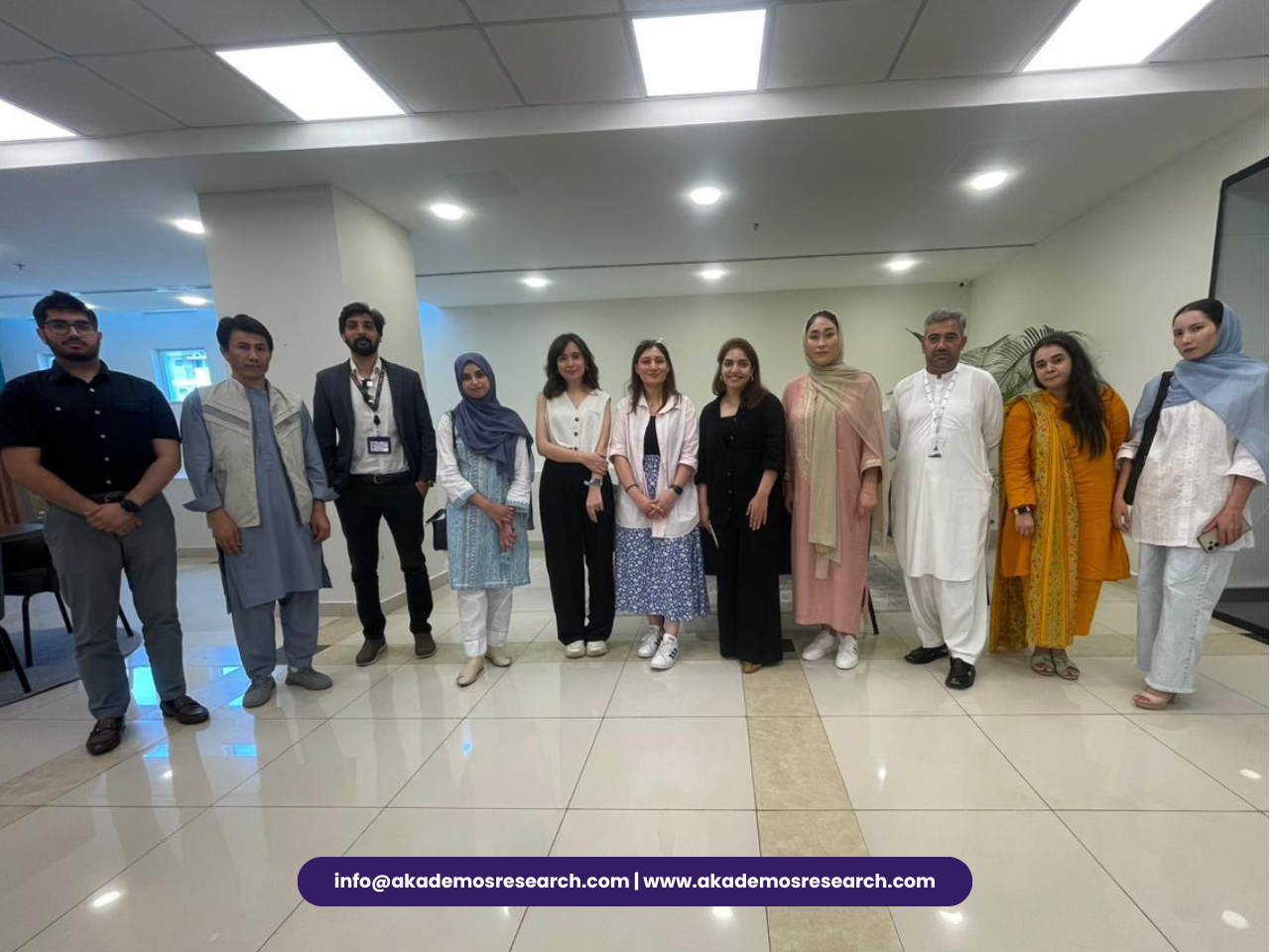
- Focus Group Discussions:
- Data Analysis :
Challenges
The project faced hurdles in reaching and engaging refugee populations due to factors such as ongoing repatriation, police harassment, and trust issues. Akademos mitigated these concerns by utilizing innovative sampling techniques and employing experienced enumerators with prior refugee community experience to navigate these difficulties. Separate focus group discussions were conducted for male and female respondents in specific locations based on participant preferences for better authenticity and comfort.
Key Findings:
- Entrepreneurial Aspirations and Challenges:
- Access to Technology and Digital Platforms:
- Gender-Based Violence (GBV) and Sexual Reproductive Health (SRH):
- Challenges with Citizenship and Legal Status:
- Community Support and Integration:
Findings from Stakeholder Focus Group Discussions
Stakeholder focus groups revealed the primary limitations refugees must overcome, including restricted access to financial resources, trauma care, language services, mentorship, sustainable livelihood opportunities, and essential skills training. The scarcity of mobile SIM cards and variations in digital access across income brackets were also significant challenges. The sensitive nature of GBV and SRH subjects and a general lack of knowledge further exacerbated the hardships faced by the refugee population.
Future Potential & Possible Steps
Akademos’ research unveiled a strong appetite among refugees to establish their businesses. While interest in entrepreneurship was prevalent, participants expressed a clear need for dedicated support systems to navigate the complexities of starting companies.
The study revealed a vacuum in the availability of resources specifically for refugee entrepreneurs. Although the current platforms assisted, they frequently failed to cater to this demographic’s needs.
Furthermore, the research showcased the importance of tackling social and cultural factors, such as gender-based violence, sexual and reproductive health, and limited citizenship rights, which greatly impact the overall well-being and economic opportunities of refugees.
The suggested Innovation Lab presents a viable strategy to address noted issues in partnership with SoLF and UNFPA. By offering specialized training and resources, the project can empower refugees, promote resilience, and aid in their development.
About The Author
Olivia Hingley
FURTHER INFO
www.akademos-eu.com/