
Published
Reports
Real partnerships, real data, real outcomes — see how we turn research into results.
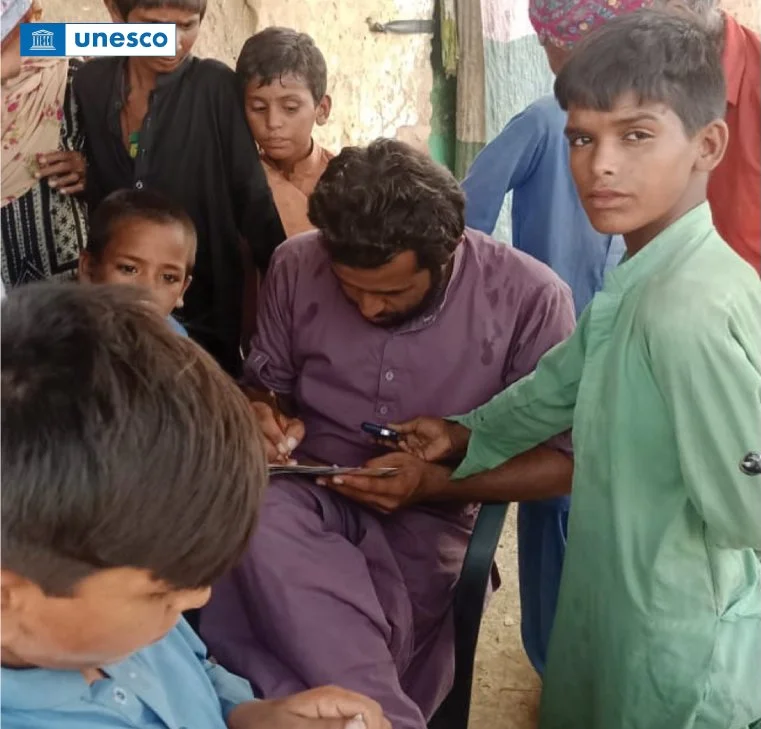
UNESCO: Needs Assessment and Rehabilitation Framework
This project aims to conduct a comprehensive assessment of damages and needs in heritage sites and the creative economy in flood-affected districts of KP, Sindh, and Balochistan in Pakistan.
Ubank Microfinance: Impact Assessment Study
Microfinance is essential in bringing the underserved and unbanked communities into the financial net. Research has proven that microfinance undoubtedly helps in providing a buffer against economic shocks; however, its impact on poverty alleviation is debatable
A Comprehensive Analysis of Pakistan's Housing Market: Addressing Challenges and Opportunities
This report delves into Pakistan’s housing sector, highlighting the growing demand, supply shortages, and affordability challenges. It provides actionable recommendations for bridging the gap between housing needs and availability, fostering sustainable growth, and improving access to housing finance. Explore the findings to understand the dynamics shaping Pakistan’s housing market and the strategies proposed for a better future.

The Citizens Foundation: Impact Evaluation on Empowering Community Women Through Skills Training and Micro-Enterprise
The Citizens Foundation’s (TCF) Skills Training Programme contributes to women’s social and economic empowerment by helping them gain technical skills, in order to enable them to generate a source of livelihood.
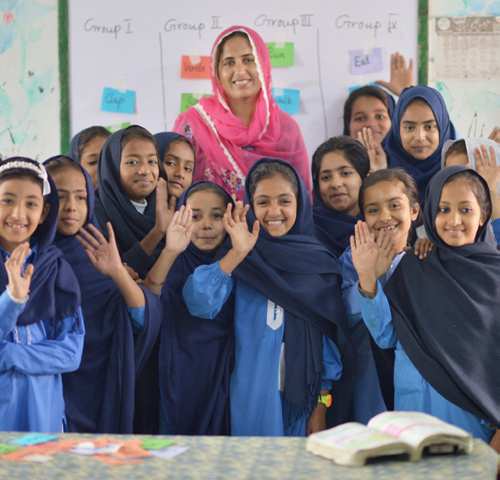
British Council: EaSTE Policy Paper on Enhancing Engagement in Online CPD Programmes
An evaluation of Punjab’s EaSTE programme, an online professional development course delivered to 140,000 primary school teachers. Drawing on 4,000 teacher surveys, 144 classroom observations, and 40 stakeholder interviews, the paper examines what drove improved teaching practice, why completion rates declined across modules, and what system-level reforms could strengthen future online CPD.
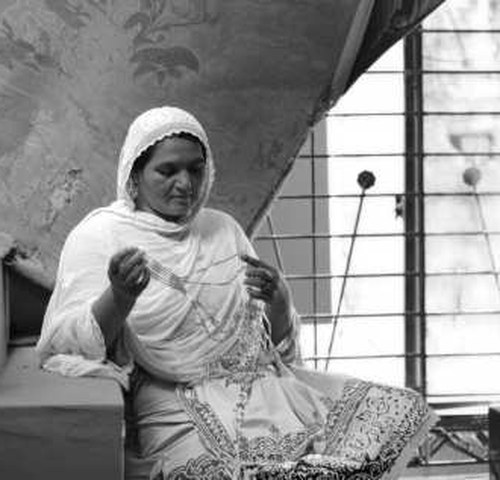
Kashf Foundation: Impact Assessment Study 2025
An assessment of Kashf Foundation’s financial and non-financial programmes for low-income women across Punjab, Sindh, and KPK. Drawing on 2,596 client surveys, the study measures outcomes across microcredit, business and financial management training, maternal health and gender justice sessions, and health insurance — examining effects on business growth, household income, and women’s decision-making power.